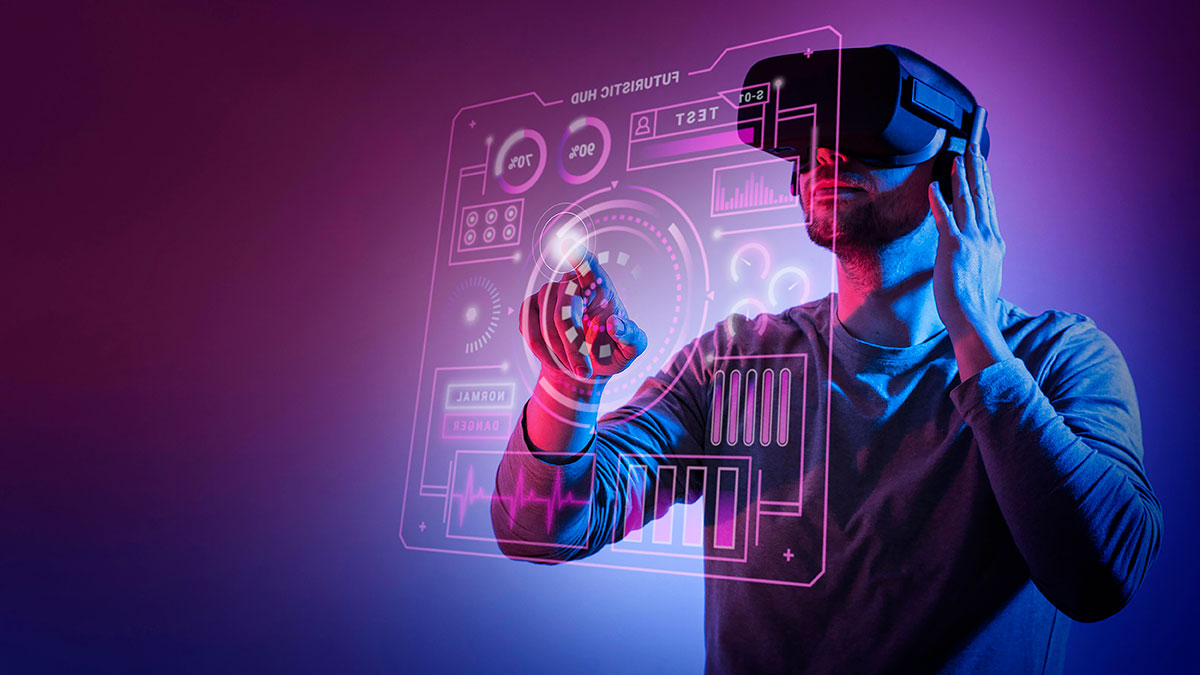
Digital transformation in education is no longer just about shifting lessons online — it’s about reimagining how learning happens. Educational institutions are adopting digital technologies to simplify operations, enhance student experiences, and cater to learners at every stage — whether in schools, colleges or workplace-training settings.
It’s not enough to convert textbooks into PDFs or livestream traditional lectures. The real change lies in reshaping content delivery: using interactive materials, mobile-friendly platforms, adaptive learning tools and immersive technologies like VR/AR to meet the evolving needs of modern learners. Alongside this, administrative processes such as enrolment, assessment and communication are being streamlined through digital systems, freeing up time and energy for teaching and learning.
For your coaching or tuition centre, this means opportunity. By embracing digital transformation you can craft more engaging, personalised learning experiences, support learners of different ages and styles, and build the organisational agility needed for tomorrow. In doing so, you’ll position yourself not just as a provider of content, but as a modern learning partner in a rapidly changing education landscape.

Artificial intelligence (AI) is no longer a distant promise—it’s actively transforming industries from healthcare and real estate to finance and education. The technology is being used in real‐world settings for predictive analytics, intelligent automation, personalization of services and risk management.
In the education sector specifically, AI is enabling significant shifts: personalised learning paths adapting to individual students, automated grading and assessment tools freeing up educators’ time, and learning analytics platforms helping identify when students need extra support.It’s a wide-angle view that shows how the same technologies driving change in other sectors are available to educators, too.
For your educational startup and skill-development efforts, this matters: by understanding how AI is heading across industries—including education—you can anticipate how learners’ needs will evolve, how teaching and institutional models can adapt, and how you might integrate those tools or methods early to stay ahead and deliver value.
This blog presents a clear, reader-friendly rundown of major cybersecurity trends to expect in 2025 — from the rise of AI in cyber-threats and “Zero Trust” security architectures, to growing risks in cloud environments, IoT device exposure, and ransomware evolution.
It highlights how these trends affect both businesses and individual users: for example, how attackers are leveraging generative AI and deepfakes to launch more sophisticated phishing campaigns, and how security teams must shift from reactive to proactive, resilience-based strategies.
For an educational institution (or any organisation with digital operations), understanding these trends is vital. It equips you to safeguard your online tools, protect learners and data, and incorporate cyber-resilience into your content or curriculum — making this blog a useful resource for planning and awareness.
Get expert guidance on software, cloud, automation, and digital growth—tailored to your business goals.
Contact Us